
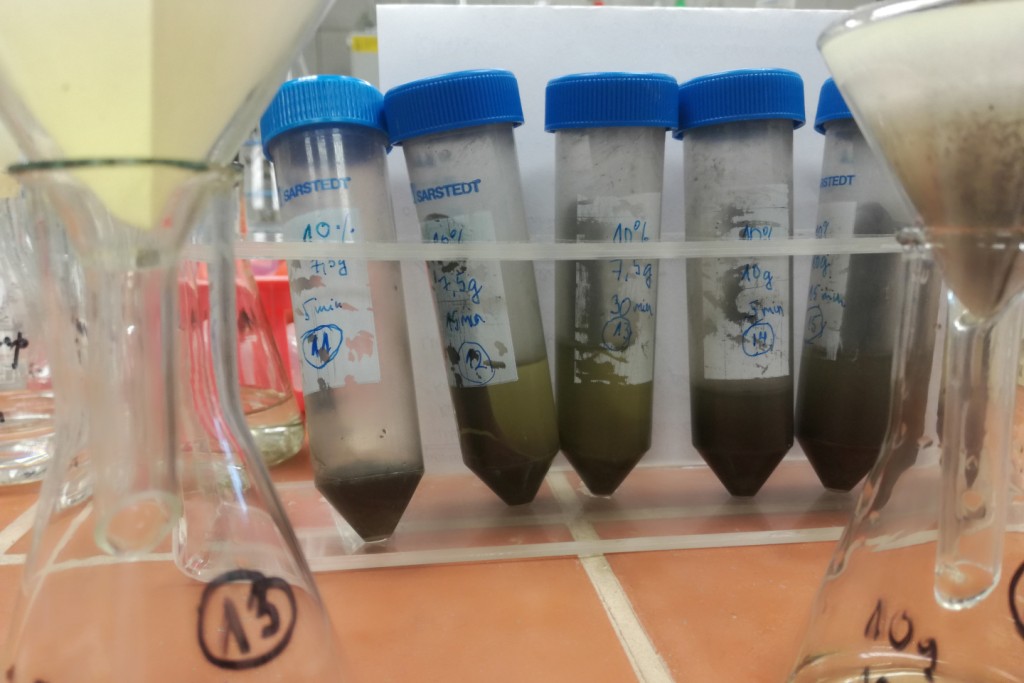
According to Geological Survey of Estonia project manager Lauri Joosu, it is essential to find ways to valorise phosphorite and associated resources in an environmentally sustainable as well economically profitable and as comprehensive a manner as possible. ‘As a step in this process, we have concluded a contract with the Centre of Estonian Rural Research and Knowledge. The purpose of the co-operation is to test the suitability of the glauconite sandstone above the phosphorite layer in the earth’s crust for the production of potassium fertiliser.’
The monitoring and analysis of water resources also plays a key role in the surveys. Water monitoring has already commenced on the Toolse River and the downstream part of the Kunda River. In addition, automatic water monitoring sensors have been installed in five wells. These data are essential for refining the groundwater model and gaining a more comprehensive understanding of the interrelationship between groundwater and surface water.
Birgit Mets, the technology expert of the project, presented the Advisory Board members with an overview of the selection process for phosphorite valorisation processing technologies. Bench scale surveys are conducted using two technologies: sulphuric acid and hydrochloric acid technologies. Following that, one technology is selected and tested as a continuous process on a pilot scale.
The Advisory Board comprises representatives from the state, local governments, environmental and business organisations as well as universities. Its overarching objective is to provide advice and feedback to the Geological Survey of Estonia on the implementation of the research project.


